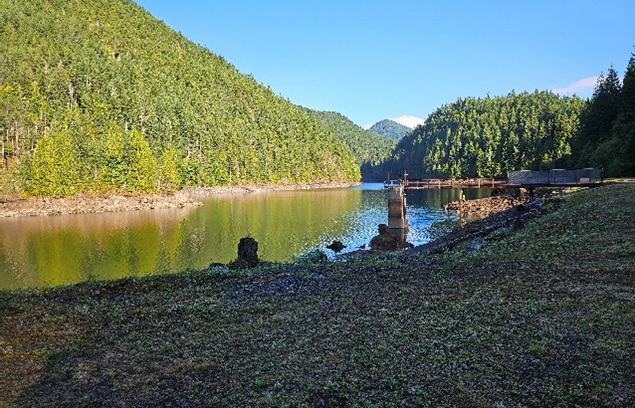
 View of Lords Lake from the crest of the East Dam
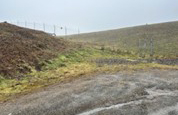 View of down-gradient slope of the East Dam from the Lords Lake Loop Road
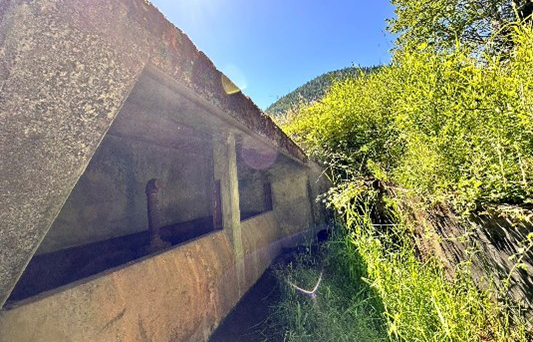 Seepage outlet box and headwaters of unnamed stream
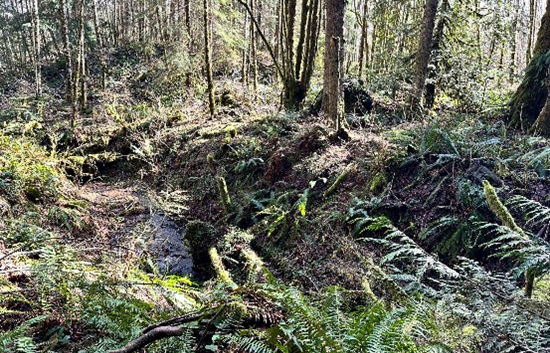 Unnamed stream east of the dam, formed by seepage of Lords Lake through the dam.
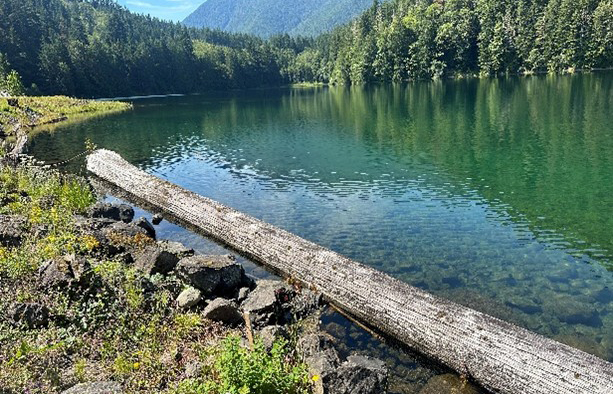 View of Lords Lake from the North Dam
Lords Lake East Dam
A risk-informed, phased approach to strengthening seismic resilience in an aging earth fill dam.
The Lords Lake East Dam is a 60-year-old earth fill structure designed and constructed before modern seismic design standards were established. As understanding of seismic risk has evolved, the City sought a practical, risk-informed approach to evaluate the dam’s performance under seismic loading and identify feasible paths to improve its long-term stability. GeoEngineers was engaged to help reduce uncertainty, reconcile conflicting subsurface data, and guide decision-making for potential seismic retrofit strategies while balancing safety, constructability, environmental considerations, and cost.
Approach
- Reviewed and synthesized historical records, previous investigations, and available performance data to identify critical data gaps
- Completed preliminary analyses to focus field investigations on parameters most relevant to seismic performance
- Designed a targeted field investigation program integrating multiple direct subsurface exploration methods to clarify subsurface variability
- Evaluated dam behavior using a phased analysis strategy, beginning with conservative screening-level methods
- Supported collaborative decision points to determine whether advanced numerical modeling was warranted
- Developed and screened seismic stabilization alternatives, including buttressing, seepage control, and ground improvement concepts
- Incorporated environmental permitting considerations throughout alternatives development and evaluation
- Advanced a preferred stabilization approach to preliminary design and planning-level cost evaluation
Results
GeoEngineers’ phased, decision-driven approach provided the City with a clear understanding of seismic risks and viable improvement strategies for the dam. By filtering complex and sometimes conflicting data into actionable insights, the project supported informed choices about analysis method, retrofit options, and future investment. The resulting framework balanced technical rigor with practicality, enabling the City to move forward with confidence toward improving dam safety, reducing seismic vulnerability, and aligning long-term infrastructure resilience with environmental and community goals.